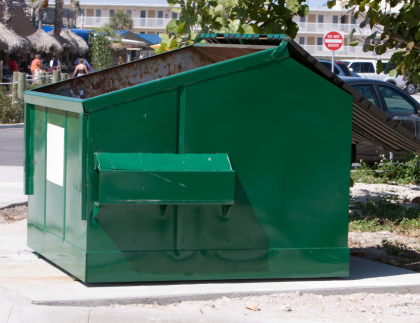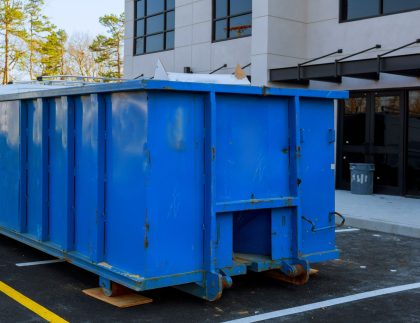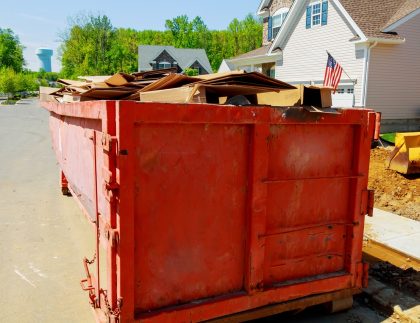
With T3 Dumpsters LLC, you can rest assured that your yard waste management needs are expertly covered, thanks to their convenient and affordable roll-off dumpster rental services.
In this comprehensive blog post, we will provide you with helpful insights and strategies to optimize T3 Dumpster rentals for an efficient and eco-friendly yard waste disposal experience during your landscaping projects.
Among the crucial topics to be covered are identifying common types of yard waste, selecting the appropriate dumpster size, exploring environmentally-friendly disposal practices, optimizing your workspace for a neat and organized landscaping project, and ensuring compliance with local waste disposal regulations.
By understanding and implementing these best practices, you can undertake your landscaping project with confidence, knowing that your yard waste management is in excellent hands with T3 Dumpsters.
With the support of T3 Dumpsters LLC, your outdoor space transformation will be a stress-free and gratifying journey, culminating in a dream garden or yard that enhances the beauty, functionality, and value of your property. Trust T3 Dumpsters for your yard waste disposal needs and unlock the full potential of your outdoor living space.
A beautiful and functional outdoor space is a valuable asset for any property. However, landscaping projects often generate significant yard waste that requires proper disposal. With T3 Dumpsters by your side, managing yard waste during your landscaping project can be a breeze.
In this blog post, we will explore strategies and insights to simplify landscaping projects with T3 Dumpster rentals, ensuring a well-organized and environmentally-friendly waste management experience.
Identifying Common Types of Yard Waste
A landscaping project can generate a wide variety of yard waste, making it essential to understand the types of waste you are dealing with. Some common types of yard waste include:
- Soil and Sod: Excavating, leveling, and grading landscaping projects will produce soil and sod waste that needs proper disposal.
- Tree Limbs, Stumps, and Roots: Tree removals, pruning, and stump grinding projects generate considerable amounts of wood waste.
- Grass Clippings and Plant Debris: Routine maintenance tasks such as mowing, pruning, and weeding produce green waste.
- Construction Materials: Landscape design elements like retaining walls, patios, and walkways may generate construction waste such as concrete, bricks, and stones.
By correctly identifying the different types of waste generated during your landscaping project, you can plan appropriately and ensure an efficient waste management strategy.
Selecting the Appropriate Dumpster Size for Your Landscaping Project
Choosing the right dumpster size for your landscaping project is critical for efficiency and cost-effectiveness. To determine the ideal T3 Dumpster rental size for your needs, follow the tips below:
- Evaluate Your Project: Assess your landscaping project in terms of waste types and expected volume. Consider factors such as the size of your yard, the complexity of the design, and the extent of the work involved.
- Explore Dumpster Options: T3 Dumpsters offers various dumpster sizes designed to accommodate different landscaping project needs. Review the sizes and capacities available to find the most suitable option.
- Plan for the Unexpected: Include a buffer in your calculations by opting for a dumpster size slightly larger than your initial estimate. This will account for unforeseen changes and help avoid additional dumpster rentals or overage fees.
Embracing Environmentally-Friendly Disposal Practices
Adopting eco-friendly disposal practices is important for an environmentally responsible landscaping project. Here are some strategies to help you minimize waste and protect the environment:
- Composting: Composting is a great way to recycle green waste like grass clippings, leaves, and small tree trimmings. The resulting compost can be used to improve soil health in your garden or lawn.
- Mulching: Wood waste, such as tree limbs and branches, can be chipped or shredded into mulch. Mulch offers numerous benefits like improving soil structure, conserving water, and suppressing weeds.
- Recycling: Many construction materials, like bricks, concrete, and stones, can be reused or recycled for future landscaping projects. Research local recycling facilities to divert waste from landfills.
- Habitat Creation: Large tree limbs and branches can be repurposed into habitat structures for birds, insects, and other wildlife, enhancing biodiversity in your outdoor space.
Optimizing Your Workspace for a Neat and Organized Landscaping Project
Maintaining a tidy and well-organized workspace during your landscaping project is essential for efficiency and safety. Follow these tips to ensure a clutter-free environment:
- Designate Waste Areas: Allocate specific areas for waste disposal on your property, and place your T3 Dumpster in a convenient, accessible location.
- Schedule Regular Waste Disposal: Plan for consistent waste disposal throughout the landscaping project to minimize mess and keep your workspace clean and safe.
- Be Strategic When Loading the Dumpster: Load your dumpster with heavier items at the bottom, filling gaps with smaller debris. Be mindful of weight distribution and avoid overfilling.
Ensuring Compliance with Local Waste Disposal Regulations
Adhering to local waste disposal regulations is critical for a legally compliant landscaping project. Keep these essential tips in mind:
- Research Local Regulations: Familiarize yourself with local regulations regarding yard waste management, recycling guidelines, and disposal of specific materials.
- Obtain Necessary Permits: If required, secure permits for having a dumpster rental on your property, especially if it needs to be placed in a restricted area or on public property.
- Communicate Regulations: Make sure everyone involved in the landscaping project understands and complies with applicable waste disposal regulations and your waste management plan.
Conclusion
By partnering with T3 Dumpsters for your landscaping project, you can ensure a well-organized, efficient, and eco-friendly yard waste management experience. Take advantage of T3 Dumpster rentals, and turn your landscaping project into a rewarding process that culminates in an outdoor sanctuary you can be proud of. Trust T3 Dumpsters for your yard waste disposal needs, and unlock the full potential of your outdoor living space today.
Looking for efficient dumpster rental services in Shelby County, AL for your landscaping projects? Look no further than T3 Dumpsters! Our reliable and affordable services ensure that your yard waste disposal is simplified and hassle-free. Contact us today to schedule your dumpster rental and take the first step towards a cleaner and more beautiful outdoor space.