In this comprehensive guide, we will walk you through the process of choosing the right dumpster size for your project, ensuring that you get the most out of your T3 Dumpster rental. By selecting the perfect dumpster size for your needs, you can maximize efficiency, cost-effectiveness, and safety while adhering to environmental best practices in waste disposal. With various dumpster sizes available, identifying the one that caters best to your project requirements can make all the difference in the success of your waste management strategy.
We’ll discuss the key factors to consider when selecting a dumpster, including assessing the volume and type of waste, understanding the different sizes available, and tips for avoiding common mistakes. Whether you’re a seasoned contractor or embarking on your first home renovation project, this guide will provide you with valuable insights to make an informed decision when renting a roll off dumpster from T3 Dumpsters. Let’s dive in and explore the essential aspects of choosing the right dumpster size for a successful waste management experience.
A Comprehensive Guide to Choosing the Right Dumpster Size for Your Project
Selecting the perfect dumpster size for your project is crucial for efficient waste management. In this guide, we discuss several key factors to help you make an informed decision when renting a roll off dumpster from T3 Dumpsters LLC.
1. Assessing the Volume and Type of Waste
The first step in choosing the right dumpster size is determining the amount of waste your project will generate. Keep the following tips in mind when estimating the volume of waste:
– List the Types of Waste Materials: Outlining the types of waste materials your project will generate, including construction debris, household items, or landscaping waste, will help you accurately estimate your waste volume.
– Visualize the Size of Waste Items: Using common items (e.g., pickup truck loads, trash bags, or wheelbarrows) to visualize the amount of waste can help you better estimate the required dumpster size.
– Consider the Waste Material Density: Dense, heavy materials, such as concrete or brick, may have specific weight limits or require smaller dumpsters to avoid overloading.
2. Understanding Dumpster Sizes
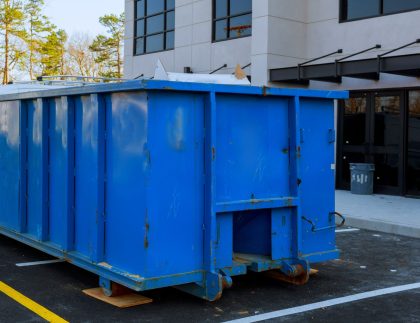
T3 Dumpsters offers various dumpster sizes to accommodate projects of all scopes. Understanding the specifications and capacity of each size will help you make the right choice for your needs:
– 10 Cubic Yard Dumpster: Measuring approximately 12 feet long, 8 feet wide, and 4 feet high, a 10-yard dumpster is ideal for small projects such as garage cleanouts, minor landscaping work, or small-scale remodeling. This size can hold the equivalent of three pickup truck loads of debris.
– 20 Cubic Yard Dumpster: With dimensions of approximately 22 feet long, 8 feet wide, and 4.5 feet high, a 20-yard dumpster is perfect for larger home renovation projects, roofing jobs, or sizable basement cleanouts. It can hold up to 6 pickup truck loads of waste.
– 30 Cubic Yard Dumpster: A 30-yard dumpster measures roughly 22 feet long, 8 feet wide, and 6 feet high. This size is suitable for significant construction projects, full home renovations, or large cleanouts due to its ability to hold up to 9 pickup truck loads of debris.
– 40 Cubic Yard Dumpster: The largest size available, a 40-yard dumpster (approximately 22 feet long, 8 feet wide, and 8 feet high) is designed for substantial commercial projects, new building construction, or extensive demolition. This dumpster can hold around 12 pickup truck loads of waste.
3. Tips for Choosing the Right Dumpster Size
To enhance productivity and avoid common pitfalls, follow these tips when selecting a dumpster size:
– Consult an Expert: T3 Dumpsters’ expert team is available to advise you on the appropriate dumpster size for your project, based on your waste volume and type.
– Err on the Side of Caution: If you’re unsure about the necessary capacity, opting for a slightly larger dumpster can be a safer choice. This helps avoid penalties for overloading or the need for additional rentals.
– Keep Weight Limits in Mind: Be aware of weight limits for each dumpster size to prevent overloading with dense materials like concrete or brick.
– Inquire About Dumpster Dividers: Some dumpsters can be divided into sections to separate different waste types, helping you efficiently manage recyclable and non-recyclable materials.
4. Common Mistakes to Avoid
When choosing a roll off dumpster, keep these common mistakes in mind to ensure optimal waste management for your project:
– Underestimating Waste Volume: A common mistake is selecting a dumpster that’s too small for the project. Crowding a dumpster with excess waste can lead to overflow or overloading penalties.
– Overloading by Weight: Exceeding the dumpster’s designated weight limit can result in additional fees or unsafe transportation conditions.
– Improperly Disposing of Prohibited Items: Be sure to review the list of prohibited items, as specified by T3 Dumpsters and local regulations, to avoid contamination fines.
– Neglecting Local Permit Requirements: Some municipalities may require permits for dumpsters placed on streets or public property. Consult your local authorities and adhere to any necessary regulations.
Conclusion
By considering the volume and type of waste, understanding dumpster sizes, and following essential tips, you can simplify and optimize your waste management process with the right T3 Dumpster rental. Making an informed decision when choosing a roll off dumpster promotes project efficiency, environmental sustainability, and cost-effectiveness. Trust T3 Dumpsters LLC for all your dumpster rental needs, and experience the benefits of expert assistance, easy online booking, and the perfect-sized dumpster for your next project.