As landscaping projects can produce various types of waste, including yard waste, soil, debris, and hardscape materials, understanding the characteristics of this waste and implementing effective disposal strategies is essential in achieving project goals and minimizing environmental impacts.
In this blog post, we will provide a comprehensive guide to executing landscaping projects efficiently, with a focus on leveraging roll-off dumpster rentals for effective landscape waste management. We will explore the different types of waste produced during landscaping projects and delve into the importance of proper waste management in achieving favorable outcomes while conserving resources and protecting the environment.
1. Types of Landscape Waste
Landscaping projects generate a variety of waste materials, each requiring proper handling and disposal to maintain project efficiency and minimize environmental impact. Some common types of landscape waste include:
- Yard Waste: Grass clippings, branches, leaves, and other organic debris are common byproducts of yard work and garden maintenance, which can be composted or recycled.
- Soil and Dirt: Excavation and grading tasks produce large amounts of soil and dirt, which can be reused for other landscaping projects or disposed of responsibly in designated facilities.
- Debris: Landscape construction activities can generate debris such as scrap lumber, wires, nails, or packaging materials, which may be disposed of or recycled depending on the material type.
- Hardscape Materials: Broken concrete, bricks, and stone are typical waste products resulting from hardscape demolition or installation and may be repurposed or recycled, reducing the need for new materials.
Implementing responsible waste management practices for these materials is crucial to keeping landscaping projects organized, efficient, and eco-friendly.
2. Importance of Efficient Landscape Waste Management
Proper landscape waste management is instrumental in achieving project goals while conserving resources and protecting the environment. The advantages of efficient waste management in landscaping projects include:
- Enhanced Project Efficiency: Organized and streamlined waste disposal processes contribute to smoother project execution, reducing downtime and labor costs associated with waste handling.
- Resource Conservation: Repurposing, recycling, or reusing landscape waste materials reduces the need for new resources, saving time, money, and energy.
- Environmental Protection: Responsibly disposing of landscape waste ensures that materials are diverted from landfills, minimizing pollution, conserving valuable landfill space, and reducing the project’s environmental footprint.
- Regulatory Compliance: Adhering to waste disposal regulations and guidelines keeps landscaping projects compliant with local, state, and federal laws, avoiding penalties and fines.
3. How Roll-Off Dumpster Rentals Enhance Landscaping Project Efficiency
Utilizing roll-off dumpster rentals for landscape waste disposal comes with several benefits that contribute to efficient project execution and environmental conservation. By partnering with T3 Dumpsters, landscaping professionals can enjoy the following advantages:
- Convenience: Roll-off dumpsters provide a central location for collecting waste throughout the project, streamlining waste disposal and reducing clutter on-site.
- Flexibility: Dumpster rentals can be tailored to the unique requirements of each landscaping project, with a range of sizes and rental durations available, ensuring that waste management needs are met.
- Cost Savings: Consolidating waste disposal efforts into a single roll-off dumpster can significantly reduce transportation and disposal expenses associated with multiple trips to landfills or recycling centers.
- Environmental Responsibility: T3 Dumpsters is committed to environmental stewardship, ensuring proper disposal or recycling of landscape waste and helping landscaping professionals minimize their environmental impact.
4. Choosing the Right Dumpster Size for Your Landscaping Project
Selecting the appropriate dumpster size is essential for effective landscape waste management in any project. Consider the project’s scope and type of waste generated to ensure the selected dumpster size meets your waste disposal requirements:
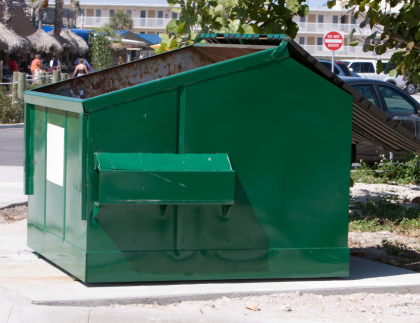
- 10-yard dumpsters: Ideal for small yard cleanups, garden maintenance projects, or minor hardscape installations, these compact dumpsters can accommodate approximately 3 pick-up truckloads of waste.
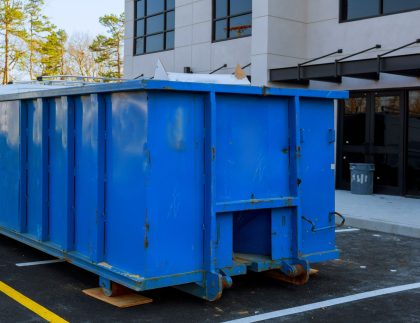
- 20-yard dumpsters: A suitable choice for medium-sized landscaping projects involving moderate waste volumes, such as patio installations or tree removals, these dumpsters can hold up to 6 pick-up truck loads of waste.
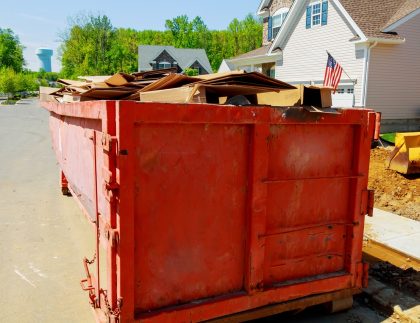
- 30-yard dumpsters: Commonly used for large landscaping or renovation projects with significant waste generation, these spacious dumpsters can accommodate up to 9 pick-up truck loads of waste.
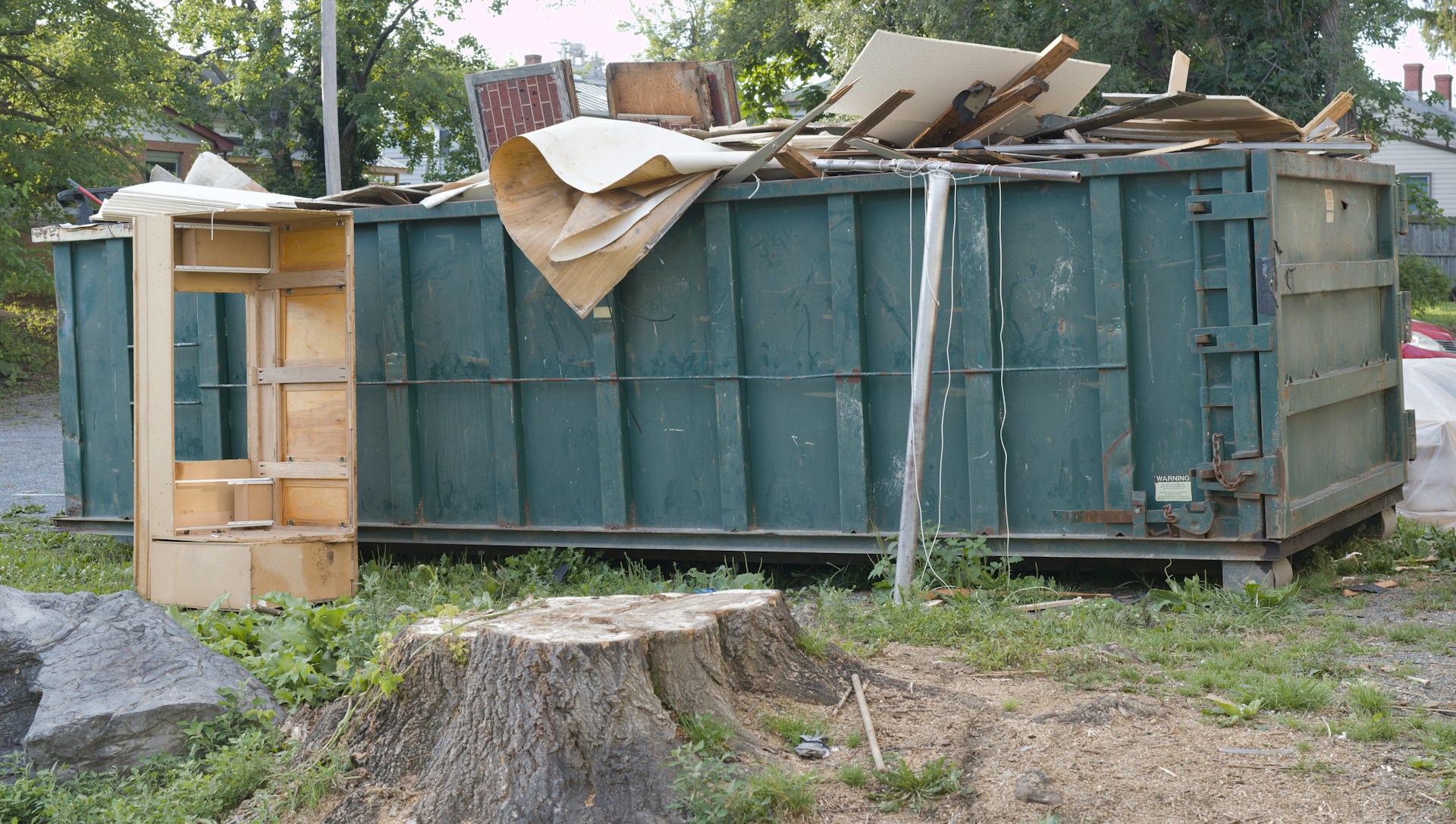
- 40-yard dumpsters: Suited for extensive landscaping projects with considerable waste production, these large dumpsters can hold roughly 12 pick-up truckloads of debris.
Consult with T3 Dumpsters to discuss your specific project needs and receive expert guidance on selecting the best roll-off dumpster size for optimum waste management efficiency.
5. Tips for Reducing Landscape Waste and Promoting Responsible Disposal
Embracing sustainable practices and implementing waste reduction strategies during landscaping projects contribute to a cleaner, greener environment. Consider implementing these best practices for minimizing waste production and promoting responsible landscape waste disposal:
- Plan Ahead: Careful planning of landscaping projects helps minimize material usage, reducing waste production and resource requirements.
- Reuse and Recycle: Optimize the use of existing materials, salvaging and reusing them whenever possible. Set up on-site recycling facilities to collect recyclable materials and designate a space for composting organic waste.
- Maintain Proper Storage: Ensure adequate storage and protection of materials to prevent damage, waste, and unnecessary expenses.
- Educate and Train: Communicate project goals and waste management protocols to team members, promoting awareness of waste reduction practices and responsible disposal methods.
Final Thoughts
By leveraging roll-off dumpster rentals, landscaping professionals can enhance project efficiency while minimizing environmental impact. With T3 Dumpsters as your partner in sustainable landscape waste management, you’ll experience the convenience, flexibility, and cost savings of a reliable, eco-friendly waste disposal solution.
Embrace sustainable practices, select the right dumpster size, and implement waste reduction strategies for a successful and environmentally responsible landscaping project. Partner with T3 Dumpsters today to invest in a greener future with our efficient roll-off dumpster rental in Shelby County, AL.