In this informative blog post, we will delve into the best practices and insights that will help you easily navigate commercial cleanouts by using T3 Dumpsters. The topics covered include the various types of waste commonly encountered during commercial cleanouts, selecting the right dumpster size for your specific needs, the importance of eco-friendly disposal practices, tips for maintaining a well-organized cleanout site and ensuring compliance with local waste disposal regulations.
Following the advice and insights discussed in this guide, you can streamline your commercial cleanout project and make informed decisions incorporating efficient and eco-friendly waste management practices. With T3 Dumpsters as your waste management partner, you gain valuable expertise and peace of mind, allowing you to focus on other important aspects of your cleanout project.
1. Identifying Commercial Cleanout Waste Types
Different commercial spaces often generate various waste materials during cleanouts. Understanding the types of waste common in commercial settings can help you plan an effective waste management strategy.
- Office Cleanouts: Office spaces typically produce a large amount of paper waste, old electronics, furniture, and office supplies that need proper disposal.
- Retail Cleanouts: Waste generated in retail spaces may include product packaging, merchandise displays, old inventory, and other store-specific materials.
- Industrial Cleanouts: Industrial facilities produce a diverse array of waste materials such as scrap metal, packaging materials, chemicals, and manufacturing byproducts.
Knowing the types of waste materials associated with your commercial cleanout projects will help you make informed decisions regarding waste management strategies.
2. Choosing the Right Dumpster Size for Your Commercial Cleanout
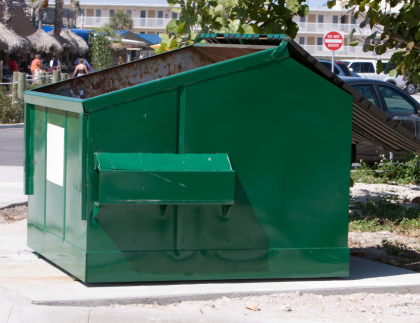
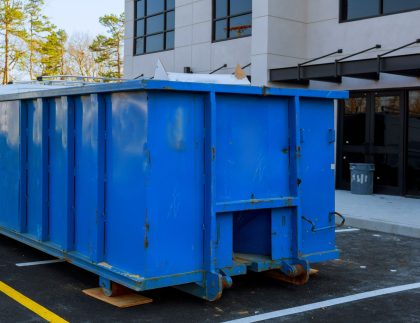
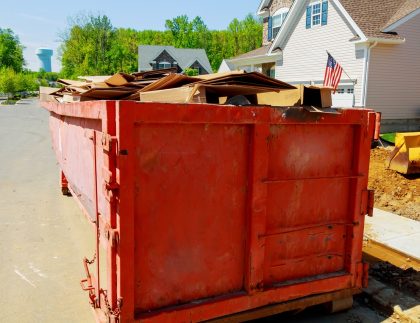
Selecting an appropriate dumpster size is crucial for making your cleanout process as efficient and cost-effective as possible. Here are some tips to help you determine the best dumpster size for your specific needs:
- Analyze Your Project: Estimate the amount and types of waste materials generated by your commercial cleanout. Larger projects may require multiple dumpsters or larger capacity dumpsters.
- Assess Dumpster Options: T3 Dumpsters offer a range of dumpster sizes to cater to diverse project needs. Evaluate the dimensions and capacity of each option to determine the optimal fit for your cleanout.
- Plan for the Unexpected: Include a buffer in your calculations by choosing a dumpster slightly larger than your current estimate. This will account for unforeseen waste materials or project changes, preventing the need for additional dumpster rentals or overage fees.
3. Implementing Eco-Friendly Disposal Practices
Adopting eco-friendly disposal practices for your commercial cleanout projects helps the environment and can save you money in disposal costs and enhance your business’s reputation. Here are some strategies to promote responsible waste management:
- Recycle Whenever Possible: Paper, cardboard, metal, glass, and plastics produced during commercial cleanouts can often be recycled. Encourage recycling efforts among your employees and crew to minimize waste sent to landfills.
- Proper Electronic Waste Disposal: Commercial cleanouts may generate significant amounts of electronic waste, often containing hazardous materials. Locate specialized e-waste recycling programs in your area to ensure responsible disposal while limiting environmental harm.
- Safe Handling of Hazardous Materials: Be aware of potentially hazardous materials in your commercial space, such as chemicals or asbestos. Comply with local regulations for handling and disposing of hazardous waste to protect both human health and the environment.
4. Tips for Maintaining an Organized Cleanout Site
A well-organized cleanout site increases efficiency, promotes safety, and reduces stress. Apply these strategies to help maintain an orderly worksite during commercial cleanouts:
- Designate Waste Areas: Allocate specific areas on your property for waste disposal, and place your T3 Dumpster rental in an easily accessible location. Ensure the area is both convenient and free of obstructions.
- Regular Waste Disposal: Develop a plan for consistent waste disposal throughout the cleanout process. You can minimize clutter and maintain a safer worksite by continually managing waste materials rather than letting them accumulate.
- Proper Loading Techniques: Load your dumpster strategically by placing heavier items at the bottom and filling gaps with smaller debris. Avoid overfilling your dumpster to prevent extra fees and removal complications.
5. Complying with Local Waste Disposal Regulations
Adhering to local waste disposal regulations is essential for an effective and legally compliant cleanout project. Keep the following tips in mind during your commercial cleanout:
- Research Local Regulations: Familiarize yourself with your local government’s waste disposal regulations, specifically those related to recycling guidelines, hazardous materials, and general waste management.
- Obtain Necessary Permits: If required, secure permits for dumpster placement, especially if you plan to position your dumpster on public property or in restricted-access zones.
- Communicate Regulations: Ensure all employees and workers involved in the cleanout project are aware of and follow waste disposal regulations and your waste management plan.
Conclusion
By partnering with T3 Dumpsters and implementing the strategies discussed in this blog post, your commercial cleanout projects can be efficient, organized, and environmentally responsible. Through proper planning, choosing the right dumpster size, adopting eco-friendly disposal practices, and maintaining an organized worksite, your cleanout process will be a breeze. Rely on T3 Dumpsters for the right roll-off dumpster rental in Shelby County, AL, and experience the benefits of a reliable and affordable waste management solution.