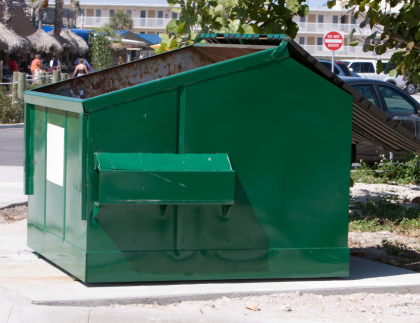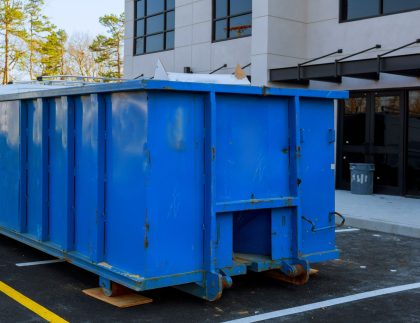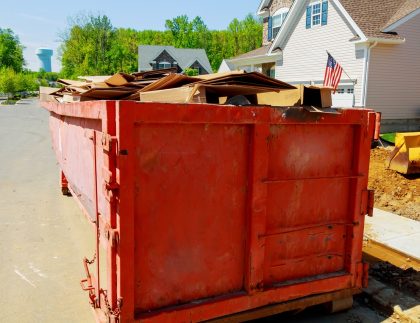
In this comprehensive blog post, we will divulge valuable insights to manage landscaping waste efficiently with T3 Dumpsters. Our focus will be on identifying different types of yard waste, selecting the most suitable dumpster size for your project, understanding loading guidelines, exploring eco-friendly disposal options, and adhering to local waste disposal regulations. By implementing the practical strategies revealed in this article, you can conveniently manage landscaping waste and maintain a stunning and inviting outdoor living space.
With T3 Dumpsters as your landscaping waste management partner, you gain access to a seamless and hassle-free waste disposal solution, enabling you to concentrate on your yard’s transformation. Trust T3 Dumpsters to simplify your yard waste management while you create and maintain a picturesque and functional landscape that reflects your unique vision.
Identifying Different Types of Yard Waste
Effective yard waste management begins with recognizing and categorizing the various types of waste produced during landscaping projects. Some common yard waste includes:
– Tree Limbs and Branches: Trimming and pruning your trees will generate numerous limbs and branches that need disposal.
– Grass and Leaves: Mowing your lawn and raking leaves are standard landscaping tasks that generate significant amounts of green waste.
– Soil and Sod: Landscaping projects involving grading or laying new sod will often result in leftover soil and sod.
– Construction Waste: Hardscaping projects, such as building a patio, retaining wall, or outdoor kitchen, will produce construction waste, including concrete, bricks, and lumber.
By categorizing the different types of waste, you can implement a more efficient waste management strategy tailored to your landscape setting.
Choosing the Ideal T3 Dumpster Size for Your Landscaping Project
Selecting the right dumpster size is essential for an organized and cost-effective yard waste management experience. Keep the following guidelines in mind when deciding on a T3 Dumpster rental:
– Evaluate Your Project: Assess the extent of your landscaping project, estimating the types and volume of yard waste it will generate.
– Explore T3 Dumpster Options: T3 Dumpsters offers a range of sizes to accommodate various landscaping needs. Review available options and select the most appropriate dumpster size based on your assessment.
– Plan for Flexibility: To account for any unforeseen changes or additional waste, opt for a dumpster size slightly larger than your initial estimate.
Loading Guidelines to Maximize Your T3 Dumpster Rental
Proper loading of your T3 Dumpster rental is critical to optimizing its capacity and ensuring a safe and efficient yard waste disposal experience. Consider these essential tips:
– Follow Loading Height Guidelines: Adhere to the maximum loading height specified by T3 Dumpsters to ensure responsible and secure transportation of your yard waste.
– Distribute Weight Evenly: When loading your dumpster, aim to spread the weight evenly to avoid any imbalances or overloading on one side.
– Organize by Waste Type: Consider loading similar types of yard waste together for convenient unloading and recycling.
Embracing Eco-Friendly Disposal Methods for Yard Waste
Opting for environmentally friendly disposal methods is not only beneficial to our planet but also contributes to a healthier outdoor environment. Here are some recommendations for your yard waste:
– Composting: Grass clippings, leaves, and other organic waste can be utilized in a composting system, producing nutrient-rich compost for your garden.
– Mulching: Tree limbs and branches can be chipped into mulch, which can then be used to protect your plants’ roots and conserve soil moisture.
– Recycling Construction Waste: Dispose of materials like concrete, bricks, and lumber at appropriate recycling facilities to reduce environmental impact.
Complying with Local Yard Waste Disposal Regulations
Understanding and complying with local yard waste disposal regulations is crucial for a legally compliant landscaping project. Keep these tips in mind:
– Research Local Regulations: Familiarize yourself with your area’s rules and regulations regarding yard waste disposal, recycling guidelines, and the handling of specific materials.
– Obtain Necessary Permits: Secure any required permits for your T3 Dumpster rental, especially if it needs to be placed on public property or in a restricted area.
– Communicate with Your Landscaping Crew: Ensure that everyone involved in your landscaping project is aware of the applicable waste disposal regulations and adheres to your waste management plan.
Conclusion to Yard Waste Management
Efficient yard waste management is a vital component of a successful and enjoyable landscaping experience. By harnessing T3 Dumpsters’ reliable roll-off dumpster rental services, you can focus on creating and maintaining a magnificent and functional outdoor living space while effectively managing waste. Trust T3 Dumpsters for all your yard waste management needs, and transform your landscape into a breathtaking and clutter-free environment today.