What Are Roll-Off Dumpsters?
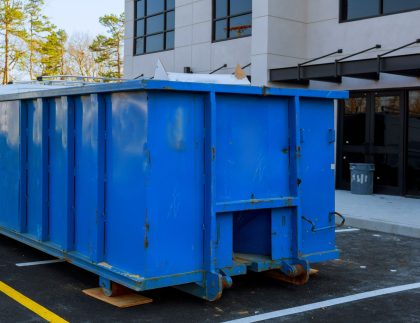
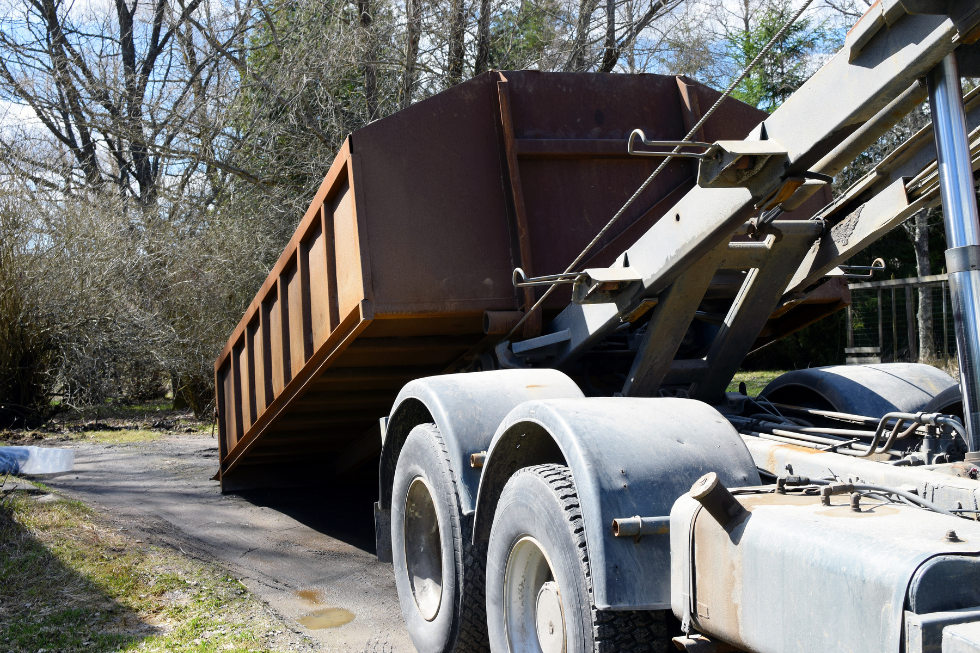
Roll-off dumpsters are large, open-top waste containers designed to be easily transported by specialized trucks. The name “roll-off” comes from the method used to deliver and pick up these dumpsters. They’re rolled off the truck onto your property and later rolled back onto the truck when full. This unique design allows for easy placement and removal, even in tight spaces or challenging terrain.
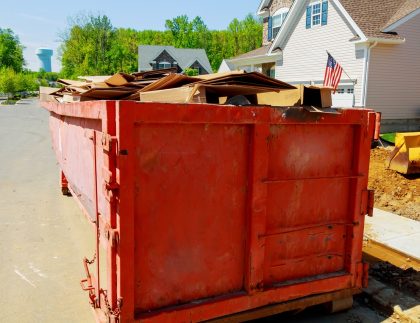
These dumpsters typically range in size from 10 to 40 cubic yards, with the most common sizes being 20 and 30 cubic yards. Their rectangular shape and open top make them ideal for loading large items or large quantities of debris. The sides are usually around 4 to 8 feet high, depending on the size of the container, allowing for easy loading from the ground or via ramps.
Advantages of Roll-Off Dumpsters for Big Projects
Roll-off dumpsters offer numerous advantages that make them the preferred choice for large-scale projects. First and foremost is their capacity. These containers can hold significantly more waste than traditional dumpsters, reducing the need for multiple pickups and saving both time and money. This high capacity is particularly beneficial for projects that generate a large volume of waste in a short period, such as demolitions or major renovations.
Flexibility is another key advantage. Roll-off dumpsters can be placed virtually anywhere on a property, as long as there’s enough space and a clear path for the delivery truck. This flexibility allows you to position the dumpster close to the work area, minimizing the distance workers need to travel to dispose of debris. It also means you can keep the dumpster on-site for the duration of your project, providing continuous waste management without interruption.
Safety is a crucial consideration in any large-scale project, and roll-off dumpsters contribute significantly to maintaining a safe work environment. By providing a centralized location for waste disposal, these dumpsters help keep work areas clear of debris, reducing the risk of trips, falls, and other accidents. The sturdy construction of roll-off dumpsters also ensures that waste is securely contained, preventing it from being scattered by wind or wildlife.
From an environmental perspective, roll-off dumpsters facilitate responsible waste management. Many waste management companies that provide roll-off services also offer recycling and sorting options. This means that recyclable materials can be separated from general waste, reducing the amount of debris that ends up in landfills. Some companies even offer specialized dumpsters for specific types of waste, such as clean fill or metal, further enhancing recycling efforts.
Types of Projects Ideal for Roll-Off Dumpsters
Roll-off dumpsters are suitable for a wide range of large-scale projects. Construction and demolition projects are perhaps the most common use cases. Whether you’re building a new structure, renovating an existing one, or tearing down an old building, roll-off dumpsters provide an efficient way to manage the substantial amount of debris generated. They can handle everything from concrete and wood to drywall and metal, making them versatile for various construction waste types.
Home renovations and remodeling projects also benefit greatly from roll-off dumpsters. Whether you’re updating your kitchen, remodeling your bathroom, or adding an extension to your home, these projects often generate more waste than standard residential trash services can handle. A roll-off dumpster allows you to dispose of old fixtures, cabinets, flooring, and other materials quickly and easily.
Landscaping and yard cleanup projects, especially those involving tree removal or major garden overhauls, are another ideal use case for roll-off dumpsters. These containers can easily accommodate large volumes of organic waste, including branches, stumps, soil, and sod.
Commercial cleanouts, such as office relocations or retail store renovations, often require roll-off dumpsters to manage the disposal of old furniture, equipment, and fixtures. The large capacity of these dumpsters makes them perfect for handling the high volume of waste generated during these types of projects.
Estate cleanouts and hoarding situations also frequently require roll-off dumpsters. These sensitive situations often involve disposing of large quantities of household items, furniture, and miscellaneous objects, which can be efficiently managed with a roll-off dumpster.
Sizes and Capacities of Roll-Off Dumpsters
Roll-off dumpsters come in various sizes to accommodate different project needs. The most common sizes are 10, 20, 30, and 40 cubic yards. A 10-yard dumpster is typically suitable for small renovation projects or minor cleanouts. It can hold about three pickup truck loads of debris and is often used for projects like small bathroom remodels or garage cleanouts.
A 20-yard dumpster is a popular choice for medium-sized projects. It can hold approximately six pickup truck loads of debris and is commonly used for large room renovations, small-scale demolitions, or substantial landscaping projects.
The 30-yard dumpster is ideal for major home renovations, new construction projects, or large-scale cleanouts. It can accommodate about nine pickup truck loads of waste, making it suitable for projects that generate a significant amount of debris.
The largest standard size, the 40-yard dumpster, is typically used for major commercial projects, large home renovations, or substantial demolition jobs. It can hold around twelve pickup truck loads of debris, making it the go-to choice for the biggest projects.
Safety Considerations When Using Roll-Off Dumpsters
While roll-off dumpsters are designed for ease of use, there are several safety considerations to keep in mind. First, ensure the dumpster is placed on a flat, stable surface to prevent tipping or sliding. If you’re placing it on a driveway, consider using plywood to protect the surface from potential damage.
Be mindful of weight distribution when loading the dumpster. Start by placing heavier items at the bottom and distribute weight evenly throughout the container. Avoid overloading the dumpster, as this can create hazards during transport and may result in additional fees.
When loading, be cautious of sharp objects that could cause injuries. Wear appropriate personal protective equipment, such as gloves and safety glasses, especially when handling construction debris or potentially hazardous materials.
Be aware of overhead obstacles, such as power lines or tree branches, when the dumpster is being delivered or picked up. Ensure there’s enough clearance for the truck to safely maneuver.
Lastly, secure the dumpster area to prevent unauthorized dumping or accidents, especially if the dumpster will be on-site for an extended period. Consider using caution tape or temporary fencing to mark off the area.
Your Solution to Large-Scale Projects
Roll-off dumpsters are indeed the ultimate solution for large-scale projects, offering unparalleled convenience, efficiency, and flexibility in waste management. Whether you’re undertaking a major home renovation, managing a construction site, or handling a large cleanout, these versatile containers can significantly streamline your waste disposal process.
By understanding the advantages, ideal use cases, and important considerations associated with roll-off dumpsters, you can make informed decisions that will contribute to the success of your project. Remember to partner with a reputable waste management company like T3 Dumpsters to ensure you get the right dumpster for your needs and receive professional support throughout your rental period.
With the right roll-off dumpster solution in place, you can focus on your project goals, knowing that your waste management needs are efficiently handled. This not only contributes to a cleaner, safer work environment but also supports responsible waste disposal practices, benefiting both your project and the broader community.