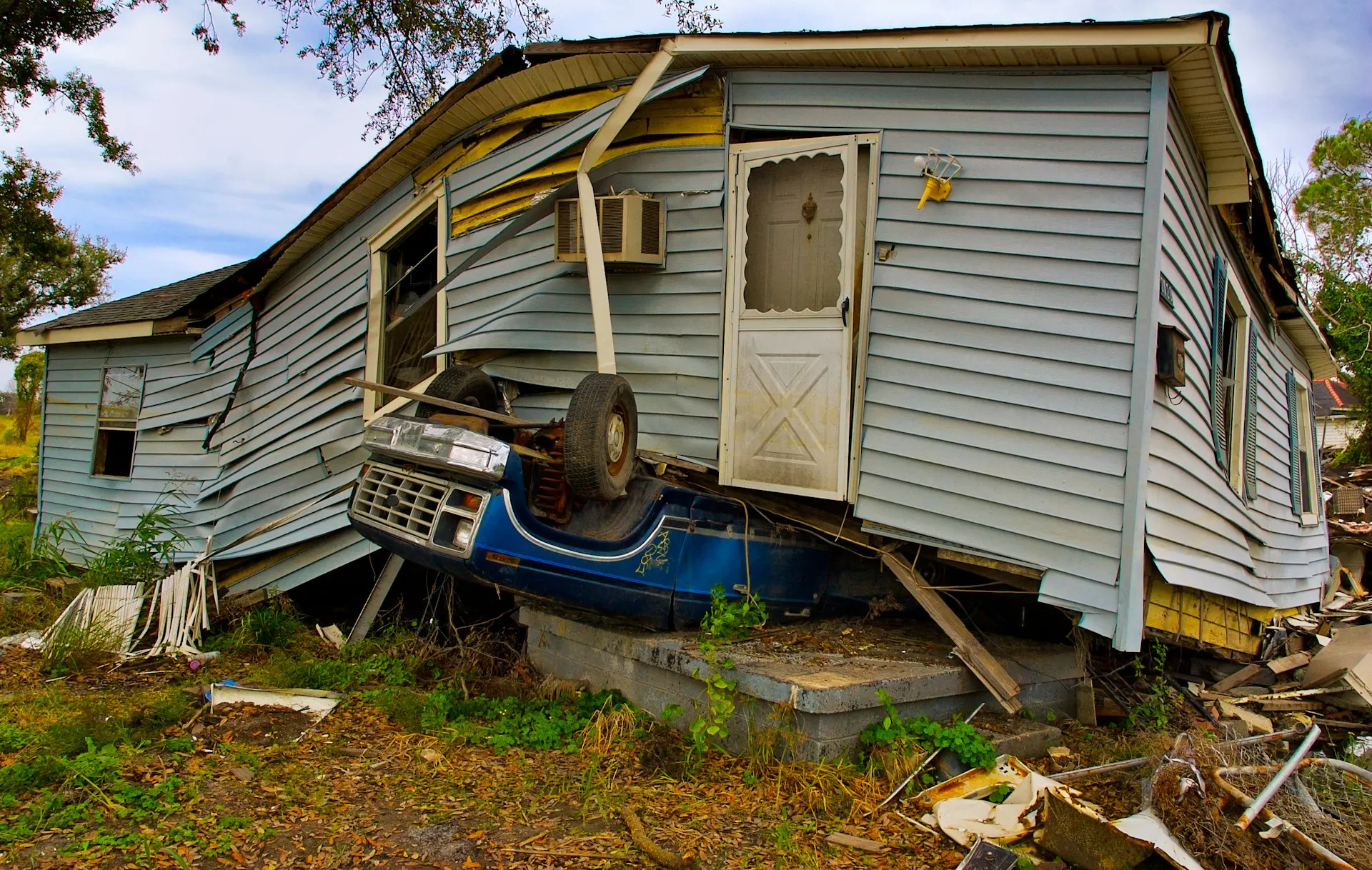
Managing disaster-related debris poses unique challenges, given the diverse range of waste materials generated, stringent local regulations, and potential safety hazards involved. T3 Dumpsters’ roll-off dumpster rentals can help alleviate these challenges by providing a versatile and dependable solution for collecting, transporting, and disposing of debris. Our services cater to a wide array of debris types, including vegetative, structural, and even hazardous waste, ensuring that your cleanup efforts proceed smoothly and in compliance with local guidelines.
In this blog post, we will explore the various types of debris produced during disaster cleanup efforts, discuss the challenges involved in debris removal, and explain how T3 Dumpsters’ roll-off dumpster rentals can make the process more efficient and manageable. Additionally, we will offer guidance on selecting the right dumpster size for your cleanup operation and share essential safety tips and best practices for responsible debris disposal. Whether you are a homeowner recovering from a severe storm or a professional cleanup crew responding to a wildfire, read on to discover how T3 Dumpsters can enhance the effectiveness of your disaster debris management efforts.
1. Types of Debris Generated During Disaster Cleanup
Disaster cleanup efforts often involve handling a diverse range of debris categories, each with its own disposal requirements. Some of the most common types of debris generated during disaster cleanup include:
– Vegetative debris: This type of debris consists of tree limbs, branches, leaves, and other green waste produced by natural disasters like hurricanes, tornadoes, or floods. Proper handling and disposal are crucial to prevent further environmental damage and facilitate community recovery.
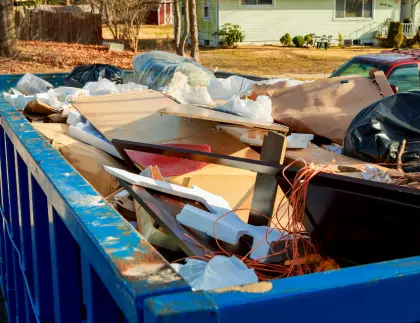
– Structural debris: Natural disasters can cause significant damage to building structures, resulting in debris such as concrete, bricks, wood, and metal. This type of waste requires careful management due to its bulkiness and potential hazards.
– Hazardous waste: Disasters, particularly wildfires or floods, may generate hazardous waste in the form of damaged propane tanks, paint cans, pesticides, or other chemical containers. Proper handling and disposal of these materials are crucial to ensure public safety and environmental protection.
By utilizing T3 Dumpsters’ roll-off dumpster rentals, managing these diverse debris types becomes much simpler and more effective.
2. Challenges Involved in Disaster Debris Removal
There are several unique challenges associated with disaster debris removal that must be addressed to ensure a successful cleanup:
– Safety concerns: Debris removal involves handling sharp, heavy, or potentially hazardous materials, making it essential to prioritize the safety of cleanup crews and surrounding communities.
– Logistical difficulties: Access to affected areas, debris loading, and transportation can pose logistical challenges during disaster cleanup efforts. Efficient debris management requires careful planning and coordination.
– Adherence to local regulations: Local authorities often have specific rules and guidelines regarding disaster debris disposal. Compliance with these regulations ensures a safe and organized cleanup process.
T3 Dumpsters’ roll-off dumpster rental services can help mitigate these challenges, allowing for streamlined and safe debris removal during disaster cleanup operations.
3. Selecting the Right Dumpster Size for Debris Removal
Selecting the appropriate roll-off dumpster size for your disaster cleanup efforts is essential for ensuring efficiency and cost-effectiveness. T3 Dumpsters provides a range of dumpster sizes to accommodate different debris volumes, allowing you to choose the best option for your specific needs:
– 10-Yard Dumpster: Ideal for small-scale cleanup projects or when dealing with primarily vegetative debris.
– 15-Yard Dumpster: Suitable for medium-sized cleanup efforts, including residential property cleanups or debris management after minor natural disasters.
– 20-Yard Dumpster: Perfect for larger disaster cleanup projects with substantial debris volumes, such as neighborhood recovery efforts or commercial property cleanups.
– 30-Yard Dumpster: Designed for extensive disaster cleanup operations involving significant amounts of structural debris or hazardous waste.
Consulting with T3 Dumpsters’ experts can help ensure you select the most suitable roll-off dumpster size for your disaster cleanup project.
4. Simplifying Debris Removal with T3 Dumpsters
Utilizing T3 Dumpsters’ roll-off dumpster rentals offers several key advantages for efficient debris removal during disaster cleanup efforts:
– Convenience: Roll-off dumpsters provide a centralized location for depositing disaster-related debris, allowing for more organized and efficient cleanup operations.
– Safety: Having a dedicated disposal container on-site reduces the risk of accidents and injuries associated with the handling and transportation of hazardous or unstable debris.
– Compliance with regulations: T3 Dumpsters is well-versed in local disposal regulations and can provide valuable guidance on proper handling and disposal practices, ensuring adherence to local guidelines.
– Expedited cleanup: Streamlined debris management can result in faster completion of cleanup operations, allowing affected communities to begin the recovery and rebuilding process sooner.
5. Safety Tips and Best Practices for Disaster Debris Disposal
Following essential safety precautions and responsible disposal practices are crucial during disaster cleanup operations. Here are some key tips to keep in mind:
– Wear appropriate personal protective equipment (PPE), such as gloves, safety goggles, and durable footwear, to minimize the risk of injury during debris removal.
– Be cautious when handling hazardous materials, such as chemicals or propane tanks. Consult local authorities or T3 Dumpsters for guidance on proper disposal procedures.
– Separate debris into appropriate categories, such as vegetative, structural, or hazardous, to ensure proper disposal and streamline the cleanup process.
– Communicate with T3 Dumpsters about any specific disposal requirements for your debris, to ensure that local regulations and safety protocols are adhered to throughout the process.
Conclusion
Disaster cleanup is a challenging and crucial task that requires effective debris management to ensure public safety, environmental protection, and a smooth recovery process. By choosing T3 Dumpsters LLC’s roll-off dumpster rental services for your disaster cleanup efforts, you gain access to a reliable and efficient waste disposal solution tailored to meet the unique demands of post-disaster debris removal. From selecting the right dumpster size to adhering to best practices for debris disposal, partnering with T3 Dumpsters can help simplify your disaster cleanup operations.
Reach out to T3 Dumpsters today to discuss your disaster cleanup needs and discover how our roll-off dumpster rentals in Shelby County, AL can make a difference in your debris management efforts.